
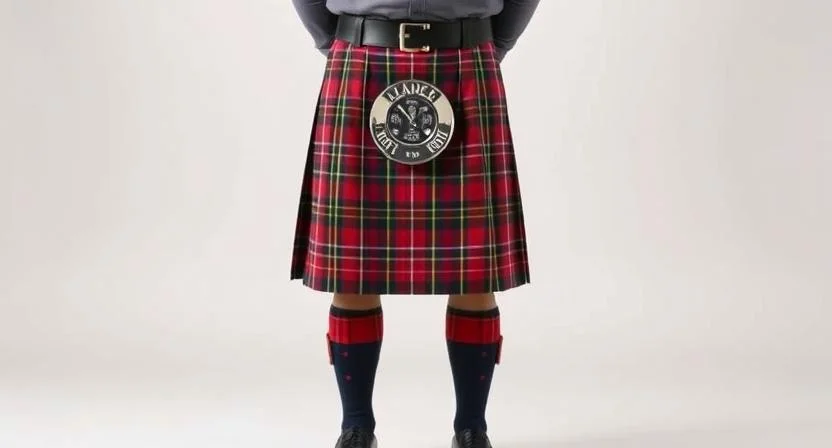
A kilt isn’t just something you wear. It’s a statement of heritage, pride, and presence. But here’s what most first-timers get wrong: the fit. They grab their pants size and order blindly. That leads to a tight waistband, sagging pleats, and a kilt that lands mid-shin. Something which is not ideal for your big day or any day. That’s why this step-by-step guide matters. Whether it’s for a wedding, Highland Games, or a cultural celebration, the fit needs to be spot-on.
With just three key measurements and a few simple tools, you can get it right the first time without a tailor. Based on advice from many online kilt owners. This guide strips out the noise and shows you exactly how to measure for a kilt confidently.
Measure Waist
Here’s the mistake nearly everyone makes who doesn’t know how to measure for a kilt. They use their pants size but your kilt waist is higher and about one inch above your belly button. That’s your natural waist. Wrap the tape around this point, keeping it level and snug, but never tight. Don’t hold your breath or suck in. Just breathe normally. Most people are shocked to find their kilt waist is 2 to 6 inches more than their trouser size. That’s normal. That’s correct. This higher position gives the kilt its proper line and keeps it anchored. If you measure too low, the whole fit falls apart. Respect your body shape and follow what it’s telling you. And if you’re unsure how length interacts with pattern and purpose, this guide on why tartan patterns matter in Scottish kilts helps clarify how cut and tartan work together.
Measure Hips
This step is easy to ignore but it matters. Your seat (hips) is what gives the kilt shape and swing. Stand with feet together and measure around the widest part of your hips or backside. Don’t pose. Don’t stand like you’re in a photo shoot. Be natural. Let the tape rest. Don’t keep it too tight or loose. If your hip measurement isn’t right, the pleats won’t move properly. They’ll cling or balloon out. And here’s something most don’t know: there should be at least a 5-inch difference between your waist and hip numbers. That’s the traditional fit standard. Anything less and it may need adjusting for a better hang.
Measure Length
Now for the most visual part. Start at your waist (same point as above) and measure straight down to the middle of your kneecap. Or do the kneel test: kneel straight on the floor and measure from your belly button to the floor. The hem should just touch. That’s the classic kilt length. Too long? You’ll trip. Too short? You’ll look like a costume. This one measurement defines the whole silhouette. Want a casual or military look? Fine. But start with this standard. You can always shorten slightly. You can’t add fabric. Length locks the proportions into place.
Choose a Style
Every kilt isn’t built the same. Some are traditional 8-yard heavyweights with deep pleats. Others are lightweight hybrids for modern wear. Your measurements don’t change. But how they’re used does. One brand may build the waistband to fit the center strap hole, another might go tighter. That changes where it sits. If you’re between sizes, ask before ordering. Want more swing? Deeper pleats. Prefer higher rise? Tell them. Your measurements are the blueprint. But the kiltmaker still has to build it. Communicate what matters to you. Be it your comfort, tradition, function and the end result will match your intent. For outfit inspiration and authentic styling ideas, check out these timeless men’s tartan kilts that pair with any traditional jacket style.
Final Fit
The day your kilt arrives isn’t the end. It’s the moment of truth. Try it in the same way you measured. Snug at the waist. Let it fall naturally. Sit, stand, kneel. Spin once. How does it move? Does the hem touch mid-knee? Can you dance without adjusting? That’s the test. If it needs tweaks. Say for instance the length feels long. That’s fixable. But if you measured correctly, odds are it’ll feel like it was made just for you. Because it was. That confidence, that pride, starts not with tartan but with measuring tape.
Conclusion
Getting your kilt right requires patience, the right tools, and a few honest measurements. When done properly, you won’t have to guess next time. You’ll know your true size. You’ll trust your numbers. And you’ll step into any event feeling ready. No discomfort, no doubt. Just a well-fitting kilt that tells your story the right way. So go ahead. Grab a tape, follow the steps, and measure once. Because the right fit lasts forever.
For premium men’s kilts which are built for comfort, tradition, and confidence. Visit our website Kiltandkilts.com